


Why Does Indriya Change Its Store Showcase Every 45 Days? The CEO Finally Answers
Date :
Read Min :

In a fireside chat with Mr. Naman Ajmera at the JK Alumni Meet, Mr. Sandeep Kohli, CEO of Indriya , addressed a question that a lot of people in the trade — and even regular customers — have wondered about for years.
Why does Indriya change its showcase inventory every 45 days?
It's a question that's built up its own little rumour mill over time. Some people assume it's a marketing gimmick. Others go a step further and say Indriya doesn't want repeat customers seeing the "same old" designs, so they keep swapping pieces to create an illusion of novelty. Mr. Kohli heard this out and then gave an answer that was refreshingly simple — and honestly, made a lot of sense once you actually think about it.
It Has Nothing to Do with Hiding Designs
Let's clear the air first: the reason isn't about avoiding repeat exposure. It's about timing your inventory to match how people actually buy jewellery.
Mr. Kohli explained that the average buying season for a piece of jewellery is roughly three months. That means a design has a natural window where demand is highest — and once that window closes, keeping the same showcase up doesn't help the customer or the business. It just means the store is out of sync with what people are actually looking for at that point in time.
So instead of letting inventory sit stagnant for months, Indriya refreshes it roughly every 45 days — twice within that natural buying cycle — so the store is always showing what's relevant right now, not what was relevant six weeks ago.
What the Showcase Actually Looks Like Through the Year
Here's where the logic really comes together. Depending on what time of year it is, an Indriya showcase is curated around what customers are realistically shopping for at that exact moment — and the shift can be huge.

Wedding season — the entire energy of the store changes. This is when the showcase leans into bridal jewellery, statement necklaces, and heavier sets built for the big-ticket, high-emotion purchase a wedding calls for.
Rakshabandhan season — nobody's walking in looking for bridal sets anymore. This is the time for gifting pieces for siblings, rakhi-specific jewellery, and light, everyday-wearable designs that are easy to buy on a smaller budget.
Festive season (Diwali, Akshaya Tritiya, and similar occasions) — this is where investment-driven buying takes over, so coins, gold pieces, and classic designs that double up as auspicious purchases get more shelf space.
Anniversary and gifting months — smaller, more personal pieces come forward — things that feel thoughtful rather than heavy-handed.
Same store. Same brand. Completely different customer need, just a few weeks apart. That's the whole point — demand for jewellery isn't constant, it moves with occasions, festivals, and seasons, and a showcase that doesn't move with it ends up showing the wrong pieces to the right customer at the wrong time.
If there's one line from this part of the conversation worth remembering, it's this:
If you don't stay updated with time and trends, you will be out of the market.
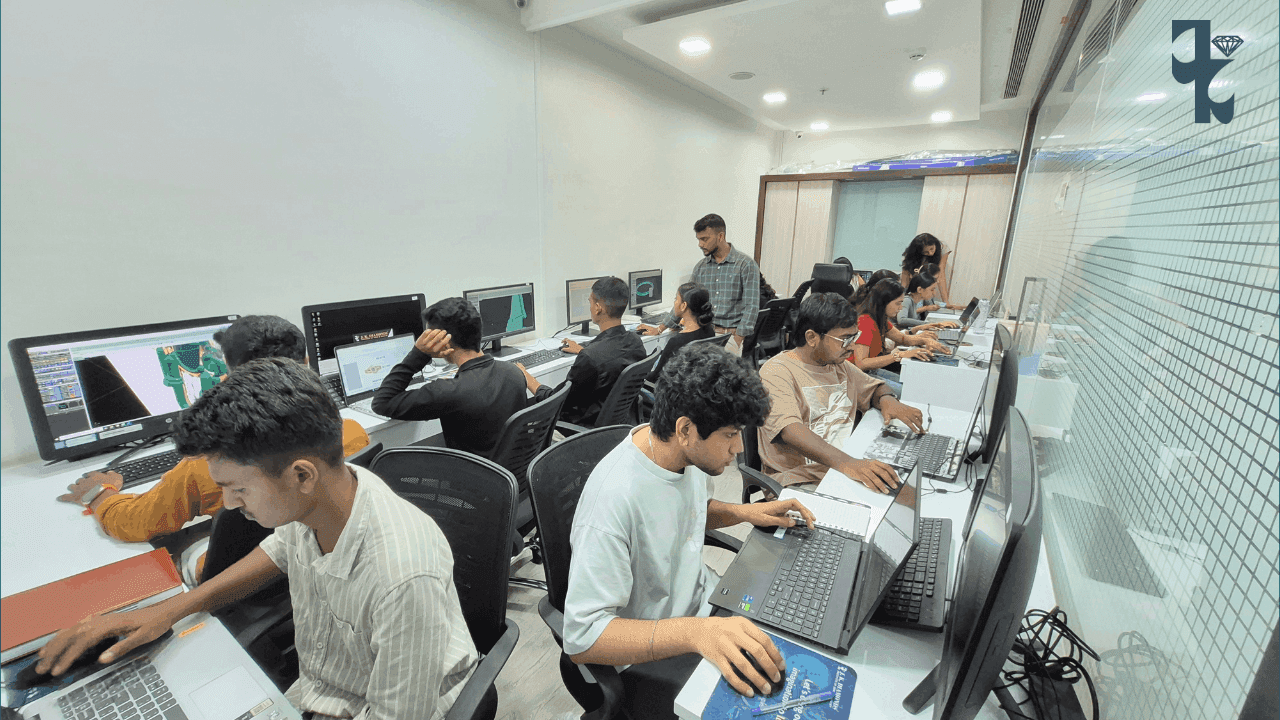
This is exactly the kind of thinking students pick up during their time at JK Diamonds Institute of Gems & Jewellery — not just the technical side of a craft, but the reasoning behind it. In CAD Jewelry Design Course, students learn to design with occasions in mind, so a piece doesn't just look good, it makes sense for the moment it's meant for. And through the Diamond Business Mastermind Programme, the focus shifts to the business side — reading demand, timing collections, and understanding how the market actually moves.
Because in this industry, staying relevant isn't optional. It's the whole game.

Connect Expert On :

Recent Blog
J K Success Stories