


Modi Told India to Stop Buying Gold. Is It Working?
Date :
Read Min :
Prime Minister Narendra Modi made an unprecedented public appeal asking Indians to halt non-essential gold purchases for a year to curb a massive $72 billion import bill and protect the rupee. While physical jewelry sales dropped 25% in volume due to record-high domestic prices (exceeding Rs 93,000 per 10g), overall appetite for gold did not decline—it simply reorganized. Driven by high prices and rising financial literacy, Indian consumers shifted en masse toward investment-focused formats like Gold ETFs, digital gold, and bullion, pushing bars and coins to a record 52% share of domestic demand in early 2026. In response, top jewelers adaptively launched gold exchange schemes, flexible saving plans, and heavy making-charge discounts to keep buyers engaged. Ultimately, Modi's appeal did not stop India's gold consumption, but it underscored a profound structural evolution: the modern Indian gold buyer is moving away from discretionary jewelry toward deliberate, investment-first value. This may change again.
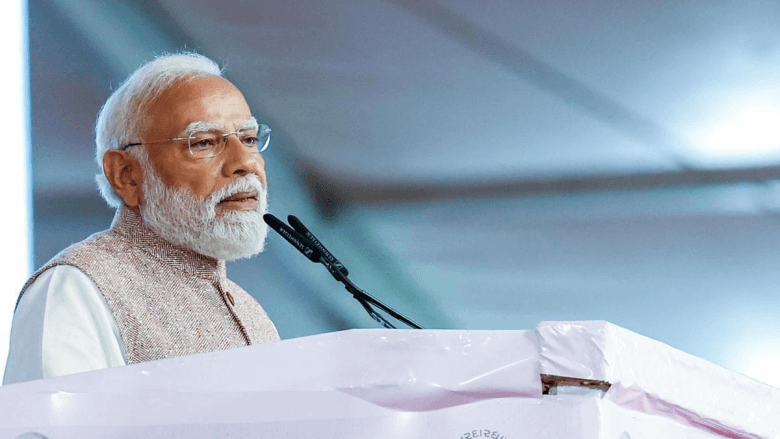
In May 2026, Prime Minister Narendra Modi made an unusual public appeal. He asked Indians to stop buying gold jewelry for at least a year. The reasoning was straightforward: India imports almost all of the gold it consumes, paying for it in dollars. In 2025-26, the country's gold import bill touched $72 billion, nearly 58% higher than two years prior. Every dollar spent on gold imports adds to the current account deficit, puts pressure on the rupee, and eventually makes everyday essentials more expensive.
The concern was real. But so was the challenge of acting on it.
Why Indians Buy Gold
Gold in India is not just a purchase. For most families, it is savings, security, and a cultural constant. Rural households, which account for roughly 60% of India's total gold consumption, often treat gold as their most reliable store of value, particularly where access to formal banking is limited.
Beyond economics, gold is woven into the fabric of Indian life. Weddings, Diwali, Akshaya Tritiya, religious ceremonies; these are not occasions where gold is optional. These purchases tend to be decided well in advance and are rarely sensitive to price changes or government appeals.
This is the reality the government was working against.

What Has Actually Shifted
Something has genuinely changed in how Indians approach gold. Just not in the way the government hoped.
As domestic prices hit a record Rs 93,217 per 10 grams, physical jewelry demand fell 25% in volume in 2025. At the same time, investment demand in gold surged 170% year-on-year. Indians were not buying less gold. They were buying it differently.
Gold ETFs, sovereign gold bonds, and digital gold saw extraordinary growth. In Q1 2026, bars and coins accounted for 52% of total domestic gold demand, the highest share on record since 2013. For context, physical jewelry has traditionally dominated Indian gold consumption by a wide margin. Reaching near parity with investment products is a meaningful structural change.
The appetite for gold did not shrink. It reorganized itself around price and practicality.
How the Industry Responded
Rather than waiting for demand to return on its own, India’s jewellery retailers moved quickly to keep buyers engaged and make high gold prices easier to navigate.
Organised players such as Tanishq, Malabar Gold & Diamonds and Kalyan Jewellers pushed old-gold exchange offers, making-charge discounts and diamond jewellery promotions. These allowed customers to upgrade existing gold into new designs without bearing the full impact of current gold prices.
Local and regional jewellers followed a similar route. Gold exchange became an important tool, with customers converting existing gold into customised diamond, studded and even plain-gold jewellery designs. This helped jewellers retain demand while giving consumers greater flexibility in managing their budgets.
Structured gold-saving schemes also continued to gain traction. Tanishq’s Golden Harvest, Kalyan’s Dhanvarsha and similar plans from other retailers allow customers to spread payments over several months while receiving benefits at redemption.
Advance booking with price protection, offered by several brands around Akshaya Tritiya 2026, was another response to volatile prices. These schemes allowed consumers to plan purchases, lock in prices and reduce the immediate financial burden.
The industry’s response essentially created a softer landing for demand. Rather than losing buyers, jewellers found ways to restructure the purchase through exchange, customisation, discounts and payment flexibility.

The Two Sides of the Market
The data points to a more nuanced picture of how consumers are responding to higher gold prices.
Jewellery demand has remained remarkably resilient. Listed jewellers have reported strong growth despite record gold prices. Titan’s jewellery business grew 39% in Q1 FY27, Kalyan Jewellers reported 38% revenue growth with 28% same-store sales growth, while Senco Gold grew 60% with 38% same-store sales growth.
Consumers are adapting rather than stepping away. Lightweight jewellery, lower-karat products, affordable designs, gifting and old-gold exchange have helped customers manage higher ticket sizes. Senco, for instance, reported strong growth in diamond jewellery as well as continued demand for lower-ticket offerings.
High-value buying has also held firm. Bridal jewellery, wedding purchases, festive buying and significant gifting occasions have continued to support demand. No Indian family removes gold from a wedding budget simply because prices have risen.
The pattern is therefore less about demand disappearing and more about consumers changing how they buy. Higher prices are influencing product mix, ticket sizes and the use of exchanges, but the underlying appetite for jewellery remains strong.
So Is It Working?
The honest answer is partially, and not quite in the way the government intended.
Jewelry volumes are down, largely driven by high prices rather than the appeal itself. But the import bill remains large because prices are at record highs. Lower tonnage still costs more in dollar terms. Gold imports have nearly doubled since 2017-18, crossing Rs 4.89 lakh crore in 2024-25.
What has genuinely changed is how Indians think about gold. The shift toward ETFs, digital gold, and investment-format products reflects a maturing financial awareness rather than a response to Modi's appeal. These changes were already underway before the speech, driven by high prices and growing access to financial products.
The underlying demand for gold has not reduced. The format of that demand is evolving.

What This Means for the Jewelry Industry
For jewelers and anyone building a career or business in this space, this shift carries a clear message.The customer walking in today is more deliberate than before. They are asking more questions about quality, value, and what they are actually paying for.
In this environment, jewelers who can genuinely explain what they are selling, demonstrate product knowledge, and build real trust with customers are better placed than those who rely on footfall and festive seasons alone. The industry schemes that worked best during this period were not just discounts. They were tools that helped customers feel informed and in control of their purchase.
India will not stop buying gold. Every data point confirms that. But the Indian gold buyer is evolving, becoming more deliberate, more financially aware, and more demanding of expertise from the people they buy from.
The businesses that understand this shift and build accordingly are the ones that will grow through it.
FAQs
Did Modi's appeal to stop buying gold actually work?
Not in the way the government intended. Physical jewelry volumes have declined, but largely due to record high prices rather than the appeal itself. Investment demand in gold ETFs and bars has surged, suggesting Indians have changed how they hold gold rather than reducing how much they want it.
Why did Modi ask Indians to stop buying gold?
India imports almost all of its gold in dollars. A rising import bill puts pressure on the rupee and widens the current account deficit. Modi's appeal was aimed at reducing dollar outflow during a period of economic pressure caused by high global commodity prices and a weaker rupee.
Has Indian gold jewelry demand actually fallen?
In volume terms, yes. Jewelry demand fell 25% in 2025 as prices hit record highs. However, high-value purchases like bridal and wedding jewelry have remained resilient. The decline is concentrated in discretionary and everyday buying rather than occasion-driven purchases.
How did jewelry brands respond to falling demand?
Major brands launched old gold exchange schemes, making charge discounts of up to 30%, structured monthly saving plans like Tanishq's Golden Harvest and Malabar's Golden Bloom Plan, and advance booking with price protection ahead of key festive seasons. These schemes helped retain buyers by spreading the cost of purchase over time.
Are Indians buying gold differently now?
Yes. There has been a clear shift from physical jewelry toward financial gold products. In Q1 2026, bars and coins made up 52% of domestic gold demand, the highest share ever recorded. Gold ETF inflows hit record levels in 2025, pointing to a growing investment-first approach to gold among Indian consumers.
What does this mean for jewelry businesses in India?
The market is becoming more considered. Customers are spending thoughtfully, asking more questions about quality and value, and moving away from impulse purchases. Product knowledge, transparency, and the ability to build genuine trust are more important than ever for jewelers looking to grow in this environment.


Recent Blog
J K Success Stories