


What Skills Are Required to Work in the Diamond Industry?
Date :
Read Min :
The diamond industry often looks glamorous from the outside—luxury showrooms, global trade, and sparkling stones. But those who work inside the industry know the truth: diamonds demand clarity, not confusion. This is a business where half-knowledge can cost money, reputation, and long-term growth. Developing professional expertise starts with understanding how diamond grading works in real-world market conditions.
At J K Diamonds Institute of Gems & Jewelry, this understanding led to the creation of the Diamond Business Mastermind Programme, a programme designed to make the diamond business structured, practical, and easy to understand, even though the industry itself is complex. Diamond Business Mastermind Programme, a structured training program designed to build professional diamond trading and grading expertise.
To truly succeed in today’s diamond and jewelry industry, professionals must develop skills across four essential aspects. These aspects work together, not separately. Understand essential jewelry designing tools every aspiring designer should know step by step.

1. Technical Skills: The Backbone of the Diamond Industry
Technical knowledge is where every diamond career begins. Whether you are trading, grading, selling, or manufacturing, your technical clarity defines your credibility.
Diamond & Jewelry Product Knowledge
Diamond Essentials (4Cs)
Cut, Colour, Clarity, and Carat form the global foundation of diamond evaluation.A deeper explanation of grading principles and evaluation techniques is covered in our complete diamond grading guide. But professionals must go beyond basic definitions:
1. Why cut quality and proportions impact brilliance and value
2. How carat weight differs from visible size (spread)
3. How colour and clarity affect pricing in real market conditions
Beyond 4Cs: J K’s 7Cs & 7S Concept
In real trading, diamonds are not judged only by certificates. The 7Cs and 7S concept, taught in the J K Diamond Business Mastermind Programme, helps learners evaluate diamonds from a business and market point of view, focusing on saleability, consistency, confidence, supply, and sustainability.International & Domestic Grading Standards
Professionals must understand international standards, while also knowing how diamonds are perceived and traded in the Indian domestic market. Gemology education builds the scientific and practical foundation needed to identify and evaluate diamonds accurately. J K Diamonds Institute gives equal importance to both, preparing learners for global and local trade.Clarity Defects, Blemishes & Proportion Factors
Identifying inclusions, surface blemishes, symmetry issues, and proportion faults directly impacts pricing, acceptance, and customer trust.Rapaport Pricing & Trade Language
Understanding the Rapaport Price List, discounts, premiums, and daily market movement is essential. Along with this, professionals must be fluent in market terms such as make, milky, eye-clean, rejection, and returnable lots.Jewelry Product Knowledge
Beyond diamonds, professionals must also understand jewellery as a finished product. This includes knowledge of jewellery estimation, accurate pricing and budgeting, quality control standards, and cost structures, ensuring better profitability, transparent pricing, and consistent product quality.
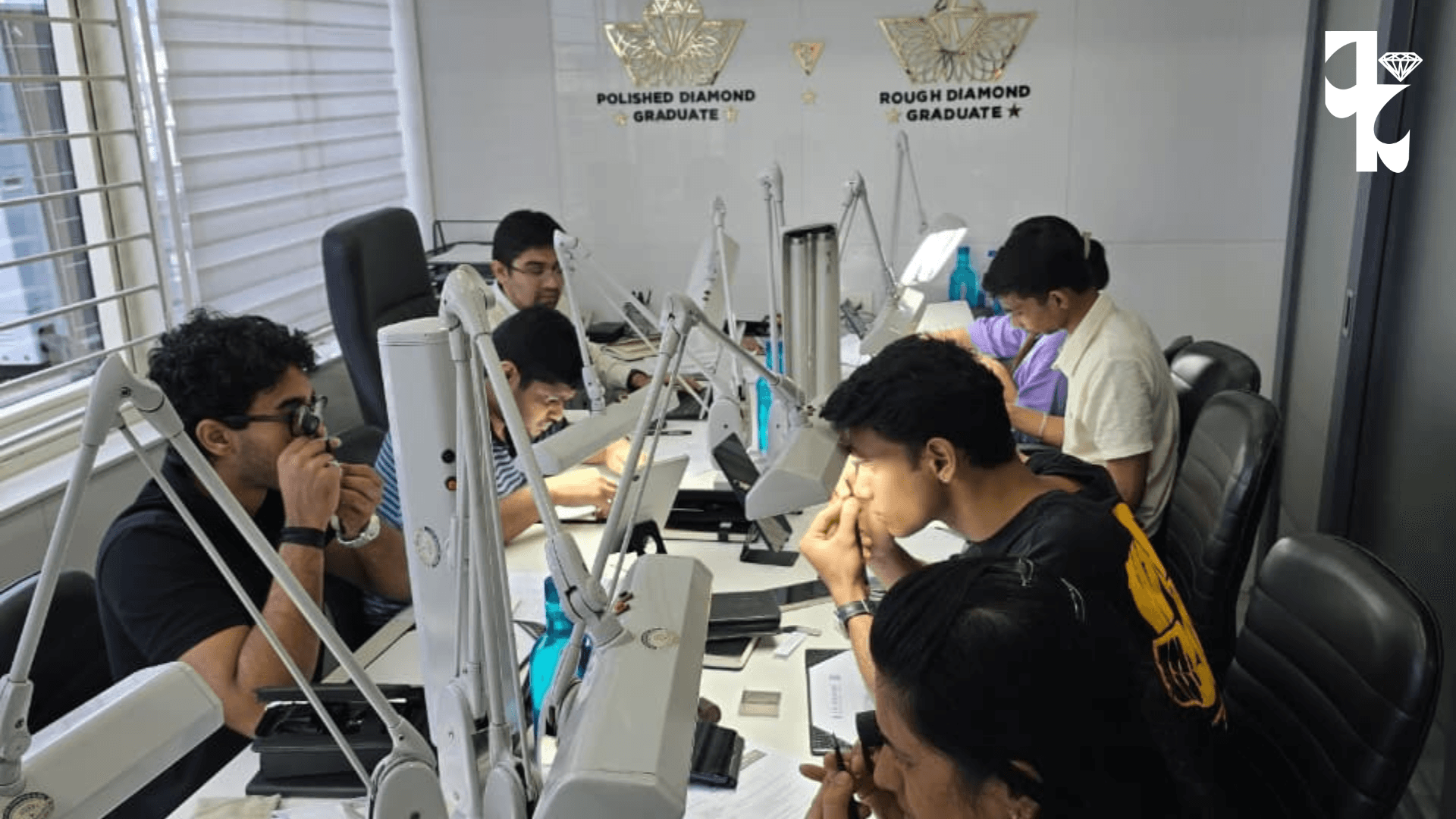
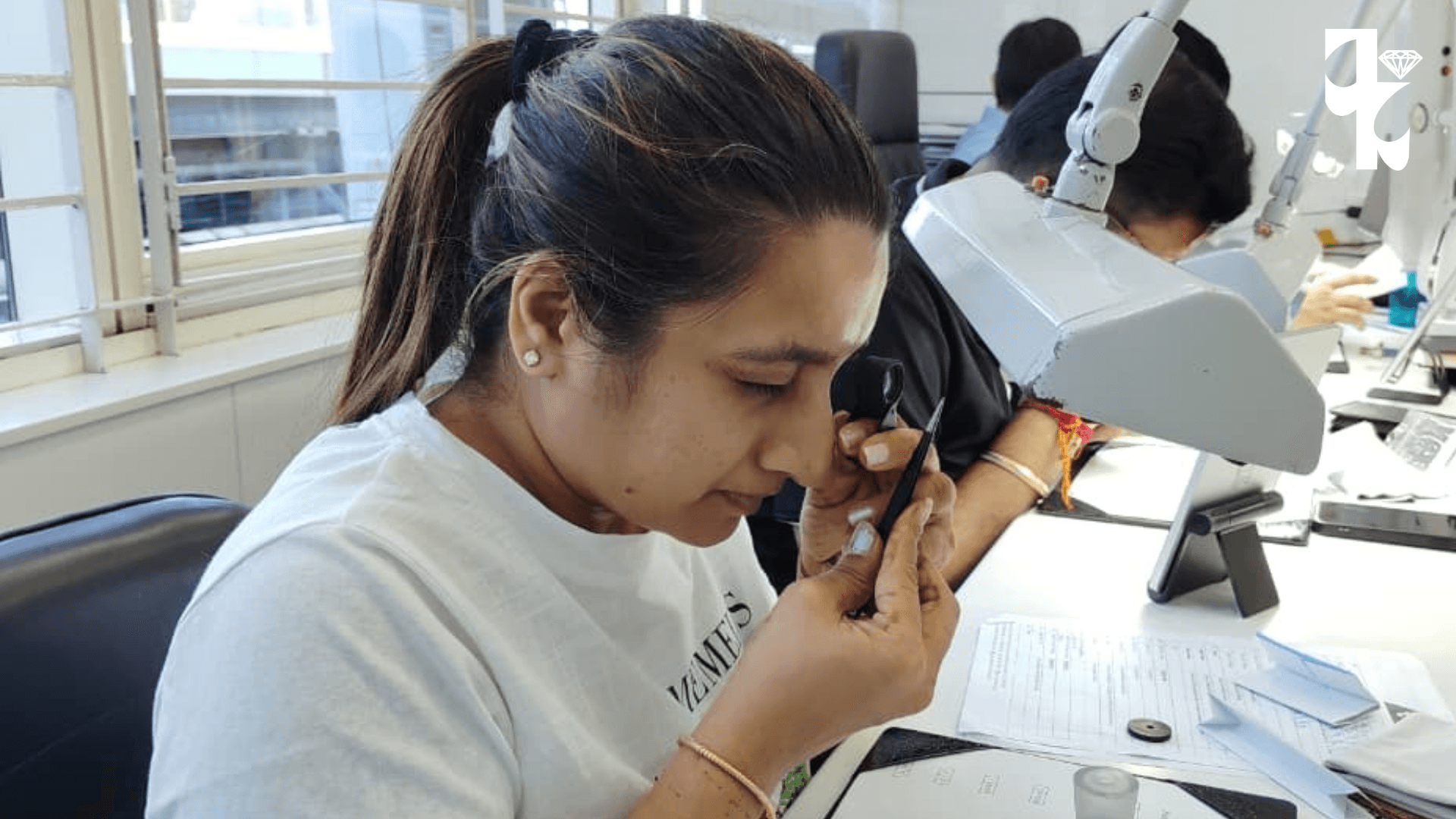
To ensure clarity, J K Diamonds Institute combines hands-on training with detailed videography and high-quality photography, allowing learners to revise and understand concepts even when they are not physically present on campus.
2. Business & Market Skills: How Diamonds Move in the Market
Knowing diamonds technically is not enough. Professionals who understand trade dynamics and sourcing strategies are better prepared for long-term success in diamond trading. Professionals must understand how diamonds are bought, sold, branded, and positioned.
Business & Marketing Understanding
Basics of diamond and jewelry marketing
How branding increases perceived value
Understanding customer behaviour and buying psychology
Knowing current market trends and demand patterns
Creation of a Marketing Blueprint: learners are guided to define their customer persona, identify their target market, and build a complete marketing blueprint tailored to their diamond or jewellery business.
Trading Knowledge & Market Behaviour
Understanding demand cycles and seasonal trends
Learning negotiation strategies used in the trade, understanding how diamonds move from mines to global markets helps professionals make better trading and pricing decisions.
Using correct market terminology to build trust
The Diamond Business Mastermind Programme trains learners to think commercially, helping them see diamonds not just as stones, but as business products.
3. Gems & Jewelry Management: Building Businesses That Scale
Many diamond businesses struggle because everything depends on one person. Without systems, growth becomes stressful and risky.
Why Management Skills Matter
Creating simple SOPs for grading, sales, and quality checks
Managing inventory efficiently
Reducing dependency on individuals
Building teams that work with consistency
Putting systems in place that allow jewellers and diamantaires to step away from daily operations and focus on long-term planning, expansion, and strategic growth
4. Mindset: The Skill That Sustains Long-Term Success
The diamond industry rewards patience, discipline, and ethics.
The Right Mindset Includes
Long-term vision instead of quick profits
Awareness of market risks and price fluctuations
Ability to adapt to industry changes, structured training and industry exposure help learners build strong career opportunities in the diamond and jewelry sector.
Strong ethical standards and transparency
Why Choose the J K Diamond Business Mastermind Programme?
The programme follows a hybrid learning model, combining classroom sessions with professional videography and photography. This ensures flexibility, clarity, and strong practical exposure—even when learners are not on campus. Explore a complete guide to top skills master online jewelry designing course.
Final Thoughts:
Working in the diamond industry does not have to be confusing. With the right guidance, structured learning, and real market exposure, success becomes achievable. Professional diamond education provides practical exposure and skills required to succeed in the modern diamond industry. You can deepen your expertise by exploring top skills, jewelry businesses look for in fresh graduates explained in detail.
That is exactly what the J K Diamonds Institute – Diamond Business Mastermind Programme aims to deliver, clarity, confidence, and career growth in the diamond business. You can deepen your expertise by exploring professional insights on How can you learn diamonds while managing a jewellery business. These skills become even more valuable when applied in real scenarios like starting your own jewelry business with low investment.
Recent Blog
J K Success Stories