


The Glass-Filled Gemstone Treatment Process
Date :
Read Min :
Have you ever wondered how a low-quality, cloudy rock turns into a bright red gemstone?
During the latest J K Diamonds Institute study tour to Thailand, our students got to see this amazing transformation happen live. Chantaburi is known globally as the capital of gemstone treatments. It is the exact place where industrial-grade "mother rocks" are turned into beautiful, market-ready rubies.
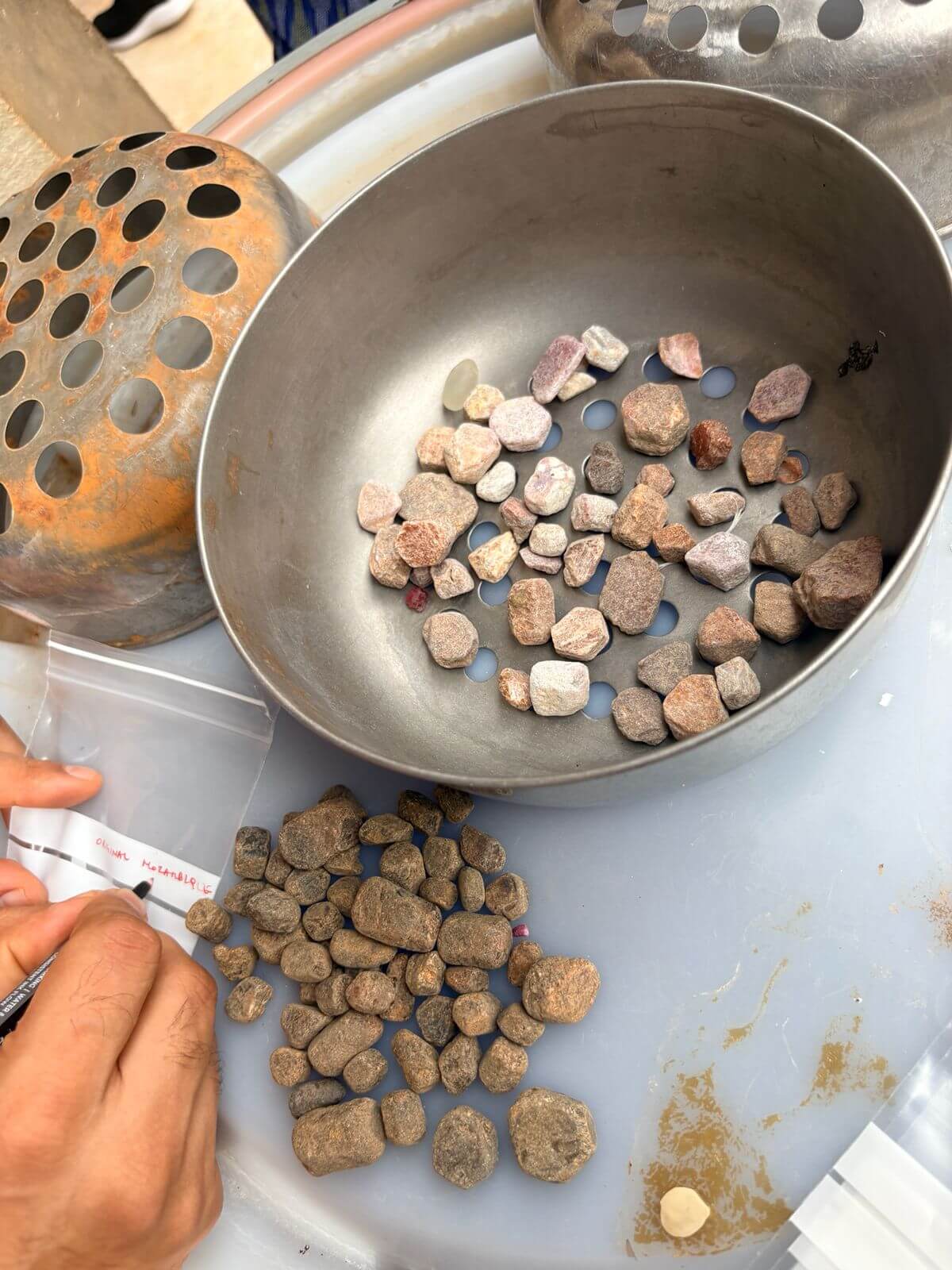
Here is the simple, step-by-step process of glass-filled ruby treatment that our students learned directly from the experts in Thailand.
The 6 Steps: How Glass-Filled Rubies Are Made
When low-quality rough Mozambique rubies arrive at the factory, they look like ordinary stones full of cracks and dirt. To make them look like premium gems, workers use a clever cleaning and heating method.
Step 1: Cleaning with Namkot Liquid
First, the rough rubies are soaked in a special solution called Namkot liquid. This liquid washes away the deep dust and dirt trapped inside the stone's cracks. Cleaning the stone opens up its tiny pores so that other materials can enter easily later.
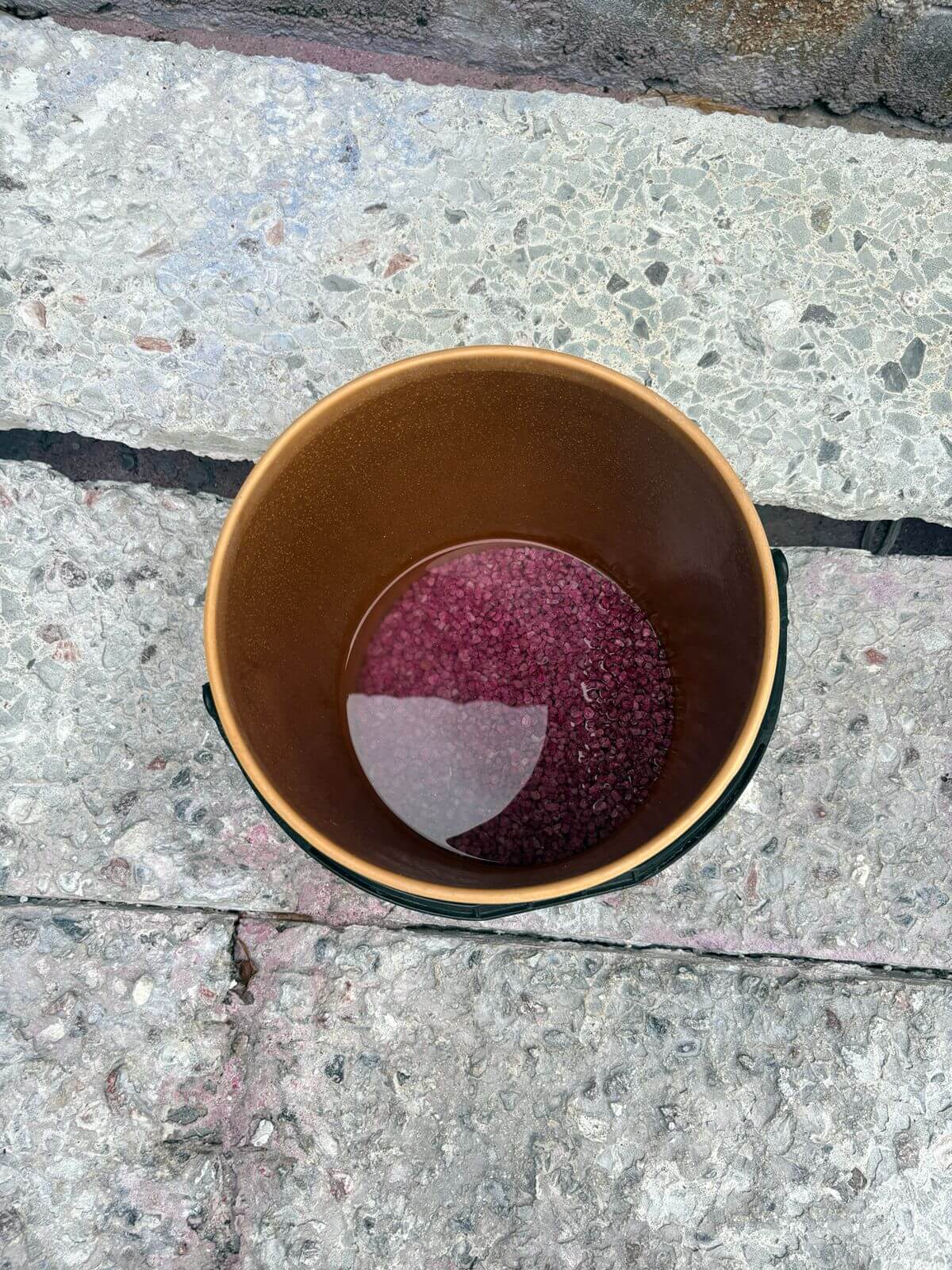
Step 2: The Deep Acid Bath
This step requires a lot of patience. The stones are left in the Namkot liquid for a few months to ensure they are completely clean. After that, they are placed in hydrofluoric acid for a few days to remove any stubborn stains.
Step 3: Mixing the Glass Powder
Once the rough rubies are perfectly clean, a special glass powder is added to them. Factory workers mix the powder carefully depending on the natural shade of the stone and the current color demands of the jewelry market.
Step 4: Baking at 1300°C
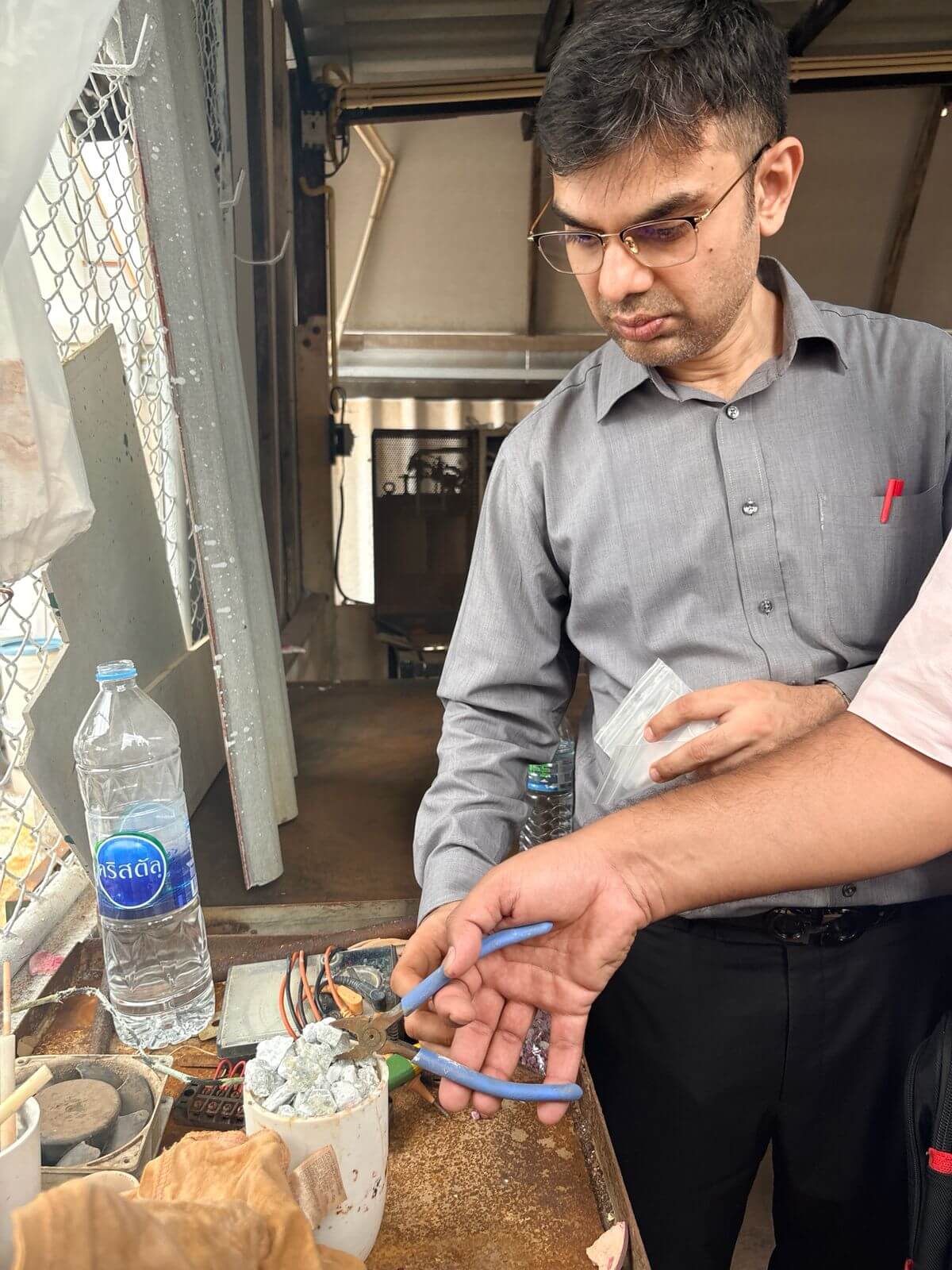
Next, the glass-covered rubies are placed inside a heat-proof container called a crucible. This goes into an electric furnace and cooks at 1300°C for a full 24 hours. The extreme heat melts the glass powder into a liquid, which flows into every crack and pore of the ruby, making the stone clear and strong.
Step 5: Cooling the Gems
After one day, the stones are taken out of the furnace. This is the magical moment when the beautiful, bright red color is finally visible! The treated rubies are then placed in a safe area to cool down slowly so they do not crack from a fast temperature change.
Step 6: Cutting and Polishing
Because of the high heat, some of the rubies stick together in the furnace. The expert team in Thailand carefully cuts and separates these joint rubies. They then shape, facet, and polish each gemstone until it shines brightly and is ready for the global jewelry market.

Connect Expert On :

Recent Blog
J K Success Stories