


Jaipur Gemstone Market: A Buyer's Guide for First-Time Visitors
Date :
Read Min :
Jaipur is not just a tourist city. For anyone in the gems and jewelry trade, it is one of the most important destinations in the world. It is where rough stones are cut and polished, where ancient jewelry traditions like Polki and Jadau are still practiced by hand, and where you can buy colored gemstones directly from the people who process them.
Over the years, the J K Diamonds Institute team has conducted multiple study tours to Jaipur with students, traded in its markets several times, and built genuine relationships with dealers, cutters, and manufacturers across the city. What follows is an honest account of what we have learned, what surprised us, and what we wish we had known on our first visit.
If you are visiting for the first time, whether as a buyer, a student, or someone curious about the trade, here is what you need to know before you go.
Why Jaipur?
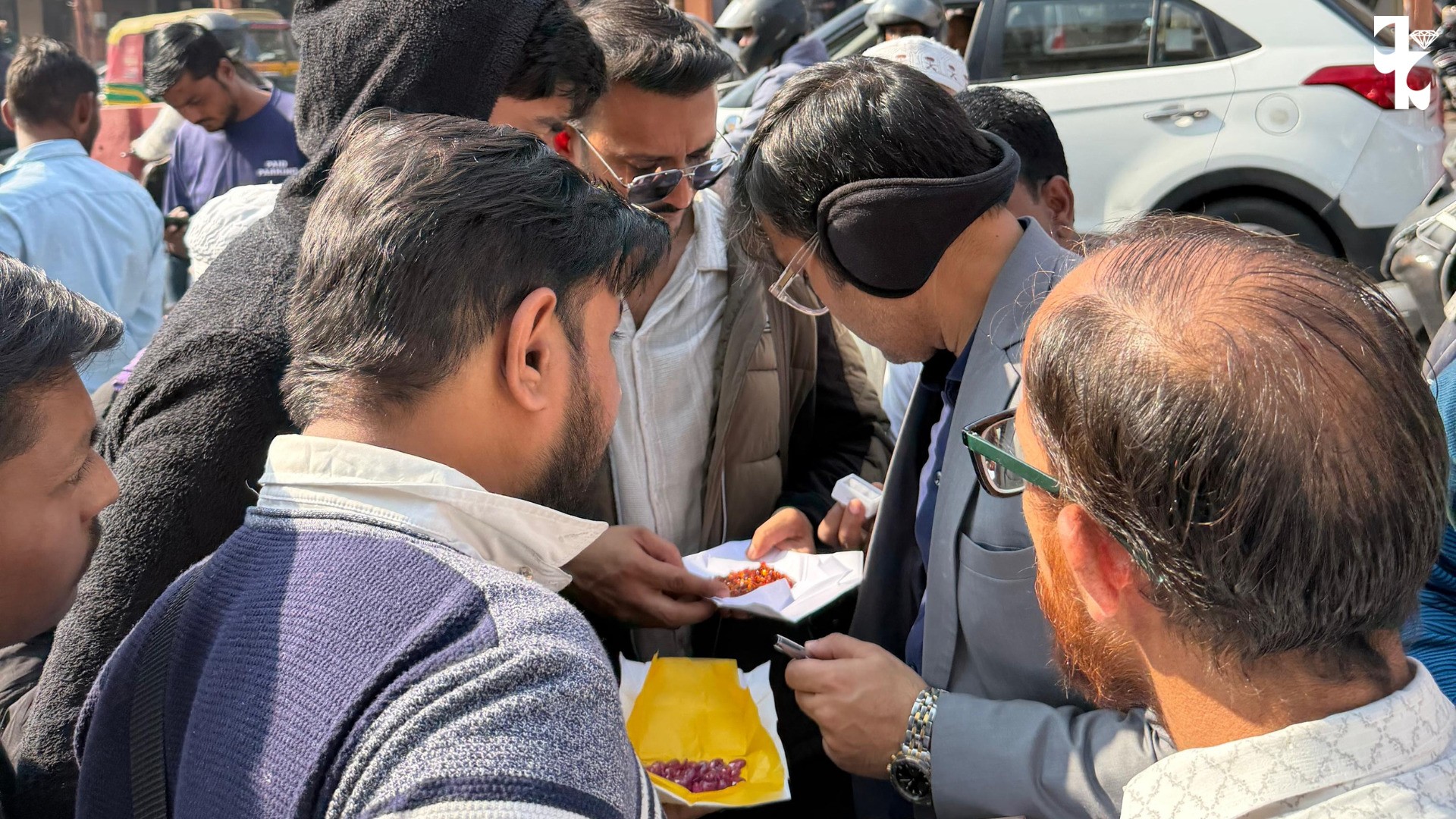
Jaipur is India's gemstone capital. The city processes and exports a significant portion of the world's colored gemstones, particularly emeralds, rubies, sapphires, and a wide range of semi-precious stones. The trade here is generational. Many of the dealers, cutters, and designers working today come from families that have been in the business for decades.
What makes it valuable for buyers is access. You can walk into a cutting factory, watch a stone being faceted, and buy it directly. That kind of transparency is rare in most gem markets.
Where to Go
Johari Bazaar
This is the historic center of Jaipur's jewelry trade and the best starting point for any first-time visitor. The lanes are lined with jewelers, gem dealers, and workshops. You will find everything here, from everyday silver jewelry to high-value colored stones. Prices are negotiable. Observe before you buy, and walk the market a few times before committing to anything.Nawab Ka Chouraha (The Emerald Market)
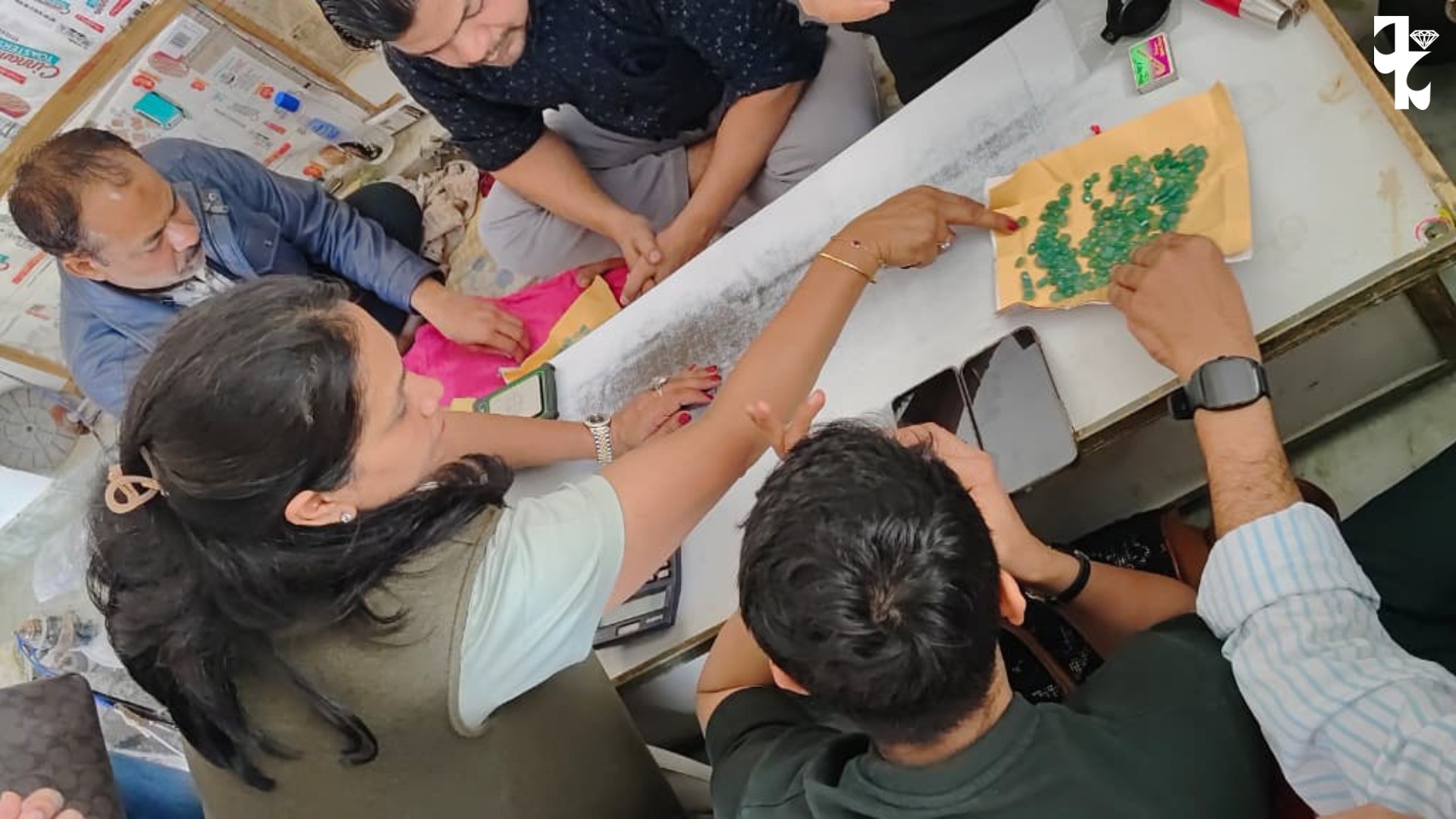
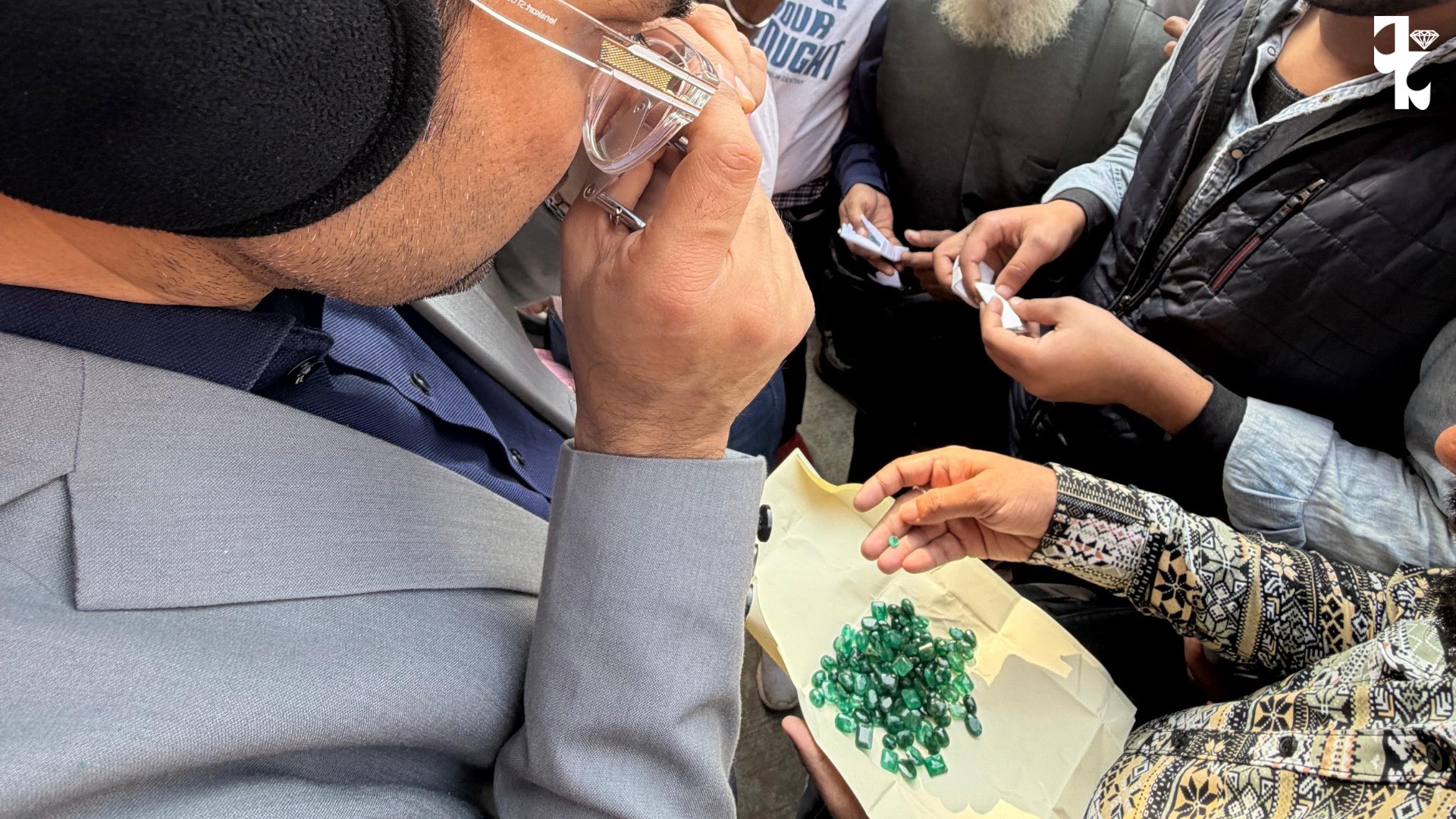
This is Jaipur's dedicated emerald trading hub and one of the most concentrated gem markets you will find anywhere. Dealers sit with trays of stones, grading and negotiating in real time. If you are buying emeralds, this is where serious transactions happen. Quality varies widely, so knowing what to look for before you arrive is non-negotiable.Sitapura Industrial Area
This is where the manufacturing side of the industry operates. Factories here handle CAD-CAM design, gem cutting and polishing, and the production of finished jewelry. It is less of a buying destination and more of a learning one. If you want to understand how a stone goes from rough to retail, spending a few hours in this area will change how you think about pricing.
What to Expect When Buying
Bargaining is standard. Do not accept the first price, and do not be in a rush. Dealers respect buyers who know their stones, so brush up on the basics before you arrive, including color grading, clarity, and the difference between treated and untreated stones.
A few things to keep in mind:
Go with a plan. Know which stone categories you want to explore and set a budget before you walk into any market.
Visit the cutting factories. Understanding the process makes you a sharper buyer.
Carry your grading tools. A loupe at minimum. More if you have them.
If possible, go with someone who knows the trade. An experienced eye next to you in a negotiation is worth more than any guidebook.
Give yourself at least three to four days. One day is not enough to see the market properly and buy with any confidence.
What Our Students Experienced
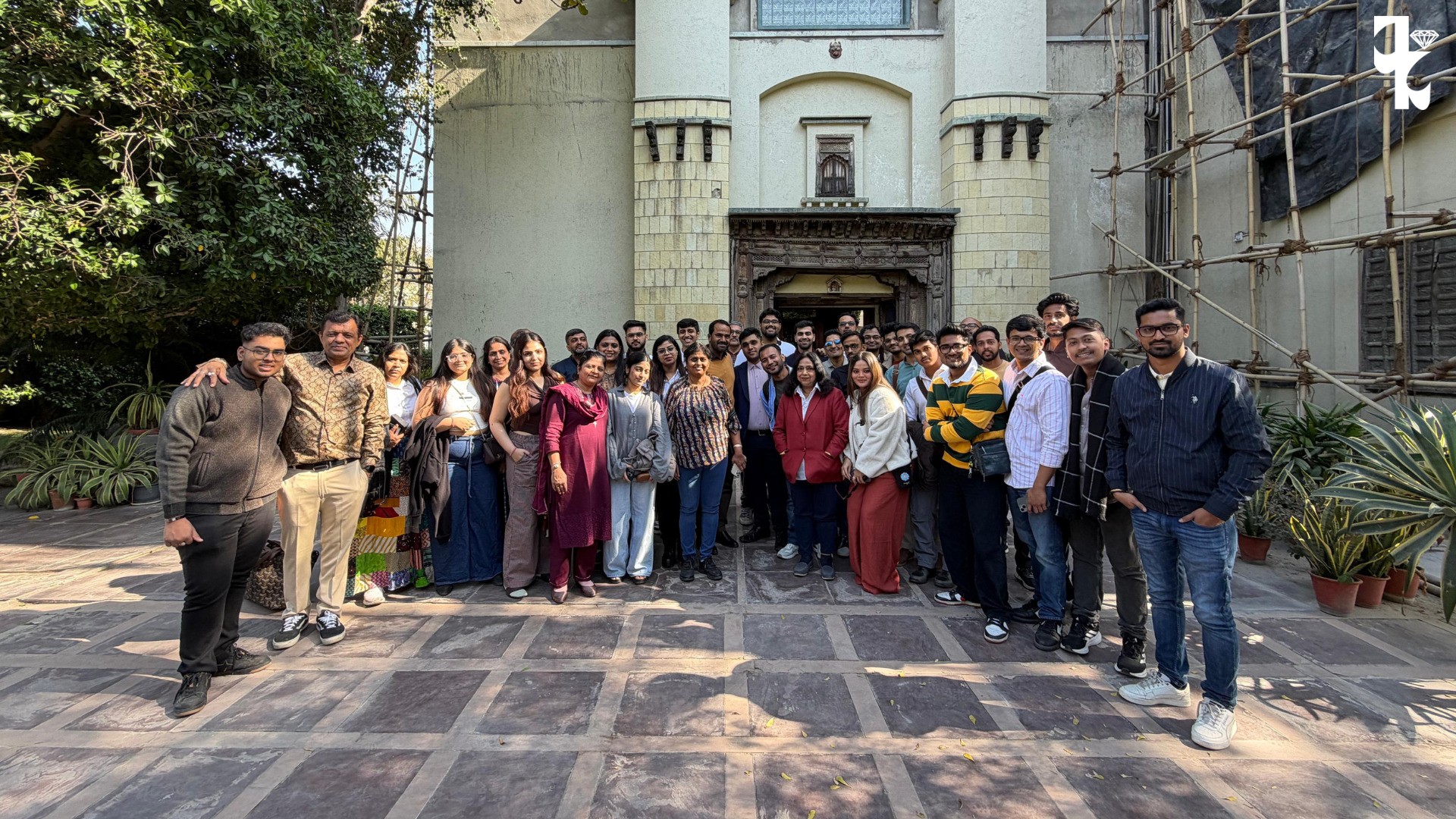
Last year, in December, 40 students from J K Diamonds Institute visited Jaipur on a five-day study tour. The experience was structured to give them real trade exposure, not just sightseeing.
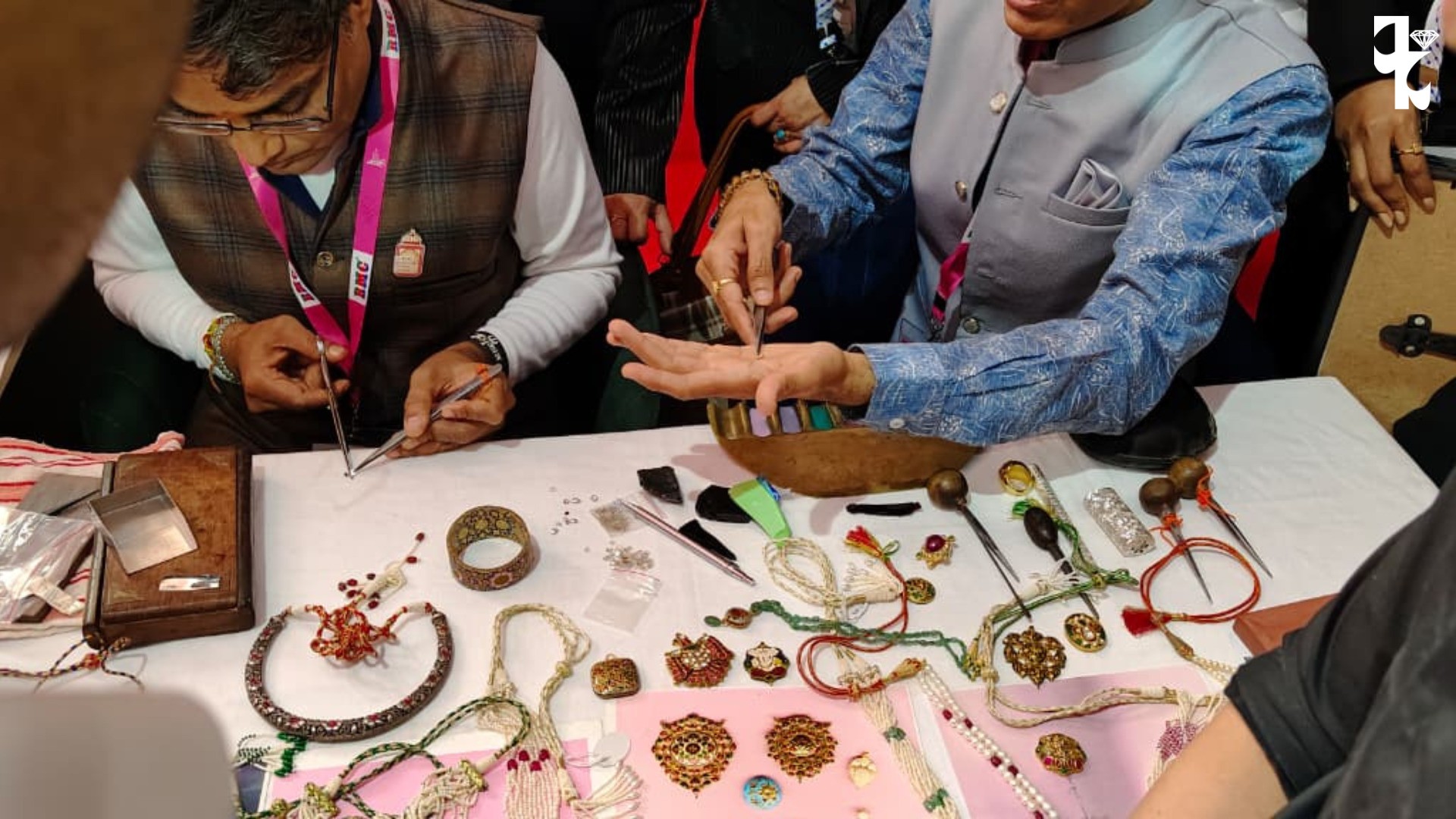
They visited Amrit Creations, where master artisans demonstrate gemstone carving at a level that is genuinely hard to find elsewhere. At the Sitapura Industrial Area, they went through the Amrapali CAD-CAM factory, Guru Kripa's Polki and Jadau studio, and the RMC Gem Cutting Factory, getting a full picture of how design, tradition, and manufacturing come together.
The JJS Exhibition gave students exposure to global trade, regional art forms like Meenakari and Thewa, and a chance to network with industry professionals. An alumni meet and panel discussion with industry leaders including Mr. Sanjay Kala and Mr. Nirmal Kumar Bardiya of RMC Gems gave them direct access to real-world insight that no classroom can replicate.
At Nawab Ka Chouraha and Johari Bazaar, students did not just observe. Under the guidance of Mr. Jaynil Ajmera, they bargained, evaluated stones, and made purchases aligned with their own business plans or design ideas. That kind of hands-on decision-making is where real gemological training shows its value.
Tips Before You Visit
Go with a plan. Know which stone categories you want to explore and set a budget before you walk into any market.
Visit the cutting factories if you can. Understanding the process makes you a better buyer.
If possible, go with someone who knows the trade. A trained eye next to you in a negotiation is worth more than any guidebook.
Give yourself at least three to four days. One day is not enough to see the market properly and buy confidently.


Recent Blog
J K Success Stories