


How to Start a Jewelry Business with Low Investment
Date :
Read Min :
The jewelry industry is experiencing a remarkable transformation. Today's consumers are moving away from mass produced pieces and gravitating toward 3D Printed Story-Driven, customized jewelry that tells a story and reflects their unique personality. This shift has opened incredible opportunities for aspiring entrepreneurs who dream of starting their own jewelry business but worry about the capital required.
The good news? You don't need lakhs of rupees to enter this profitable industry. With creativity, dedication, and the right skills, you can launch a successful jewelry business from your home with minimal investment. Whether you're a college student, a homemaker looking for financial independence, or someone seeking a career change, the jewelry business offers flexibility and growth potential that few other industries can match. To build a strong foundation before launching, it’s important to understand the complete roadmap of starting a jewelry or gemstone business in detail.
At J K Diamonds Institute of Gems and Jewelry, we've trained thousands of students who started with little more than passion and a small budget, and today run thriving jewelry businesses. This comprehensive guide will walk you through every step of starting your own low investment jewelry business, from choosing your niche to making your first sale.
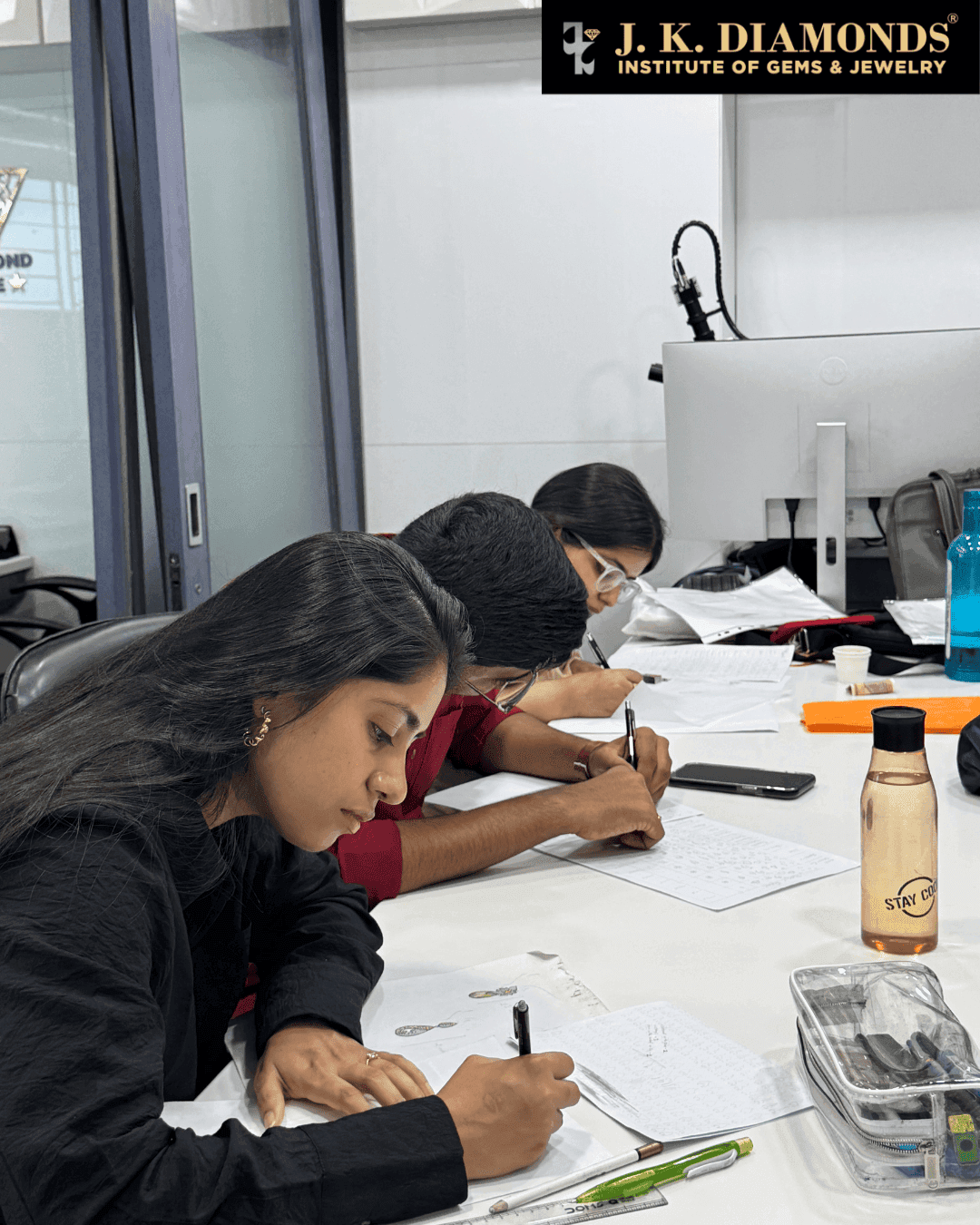
Understanding the Jewelry Business Basics
Before diving in, it's essential to understand the landscape of the jewelry business and identify where you fit in. Understanding how customers think and buy is equally important, and mastering customer psychology in jewelry businesses can significantly improve your conversions.
Types of Jewelry Businesses
Gold Jewelry
Gold jewelry continues to be a strong, trusted segment with high resale value. By focusing on lightweight and made to order pieces, new entrepreneurs can enter this premium category without investing heavily in inventory.
Diamond Jewelry
Diamond jewelry offers excellent profit potential, especially for engagement and gifting markets. Working on an order basis allows you to source diamonds only after receiving payment, keeping your initial investment low.
Lab Grown Diamond Jewelry
Lab grown diamonds are rapidly growing in popularity due to their affordability and ethical appeal. They provide the same look and brilliance as natural diamonds but at much lower cost, making them ideal for entrepreneurs targeting modern, value conscious buyers.
Silver Jewelry
Silver is an affordable precious metal with strong, consistent demand. Minimalistic, oxidized, and handcrafted silver pieces attract a wide audience, and with relatively low material costs, beginners can start small and scale quickly.
Artificial & Fashion Jewelry
Fashion jewelry made from mixed metals, alloy, and brass offers endless design possibilities at minimal investment. It’s perfect for trend driven, fast selling collections and works extremely well on platforms like Instagram, Meesho, and local pop-ups.
Understanding Business Models
Low investment models focus on handcrafted or 3D Printed, made to order pieces where you create inventory based on demand rather than maintaining expensive stock. This approach minimizes financial risk and allows you to test designs before scaling production.
Current Market Trends
The jewelry market is witnessing explosive growth in personalized jewelry, name pendants, birthstone pieces, and digital first brands. Consumers, especially millennials and Gen Z, prefer shopping on Instagram and WhatsApp rather than traditional stores. This digital first approach eliminates the need for expensive retail space, making it perfect for beginners. To stay ahead in this competitive space, you should also explore proven social media strategies to enhance your jewelry business and attract modern buyers.
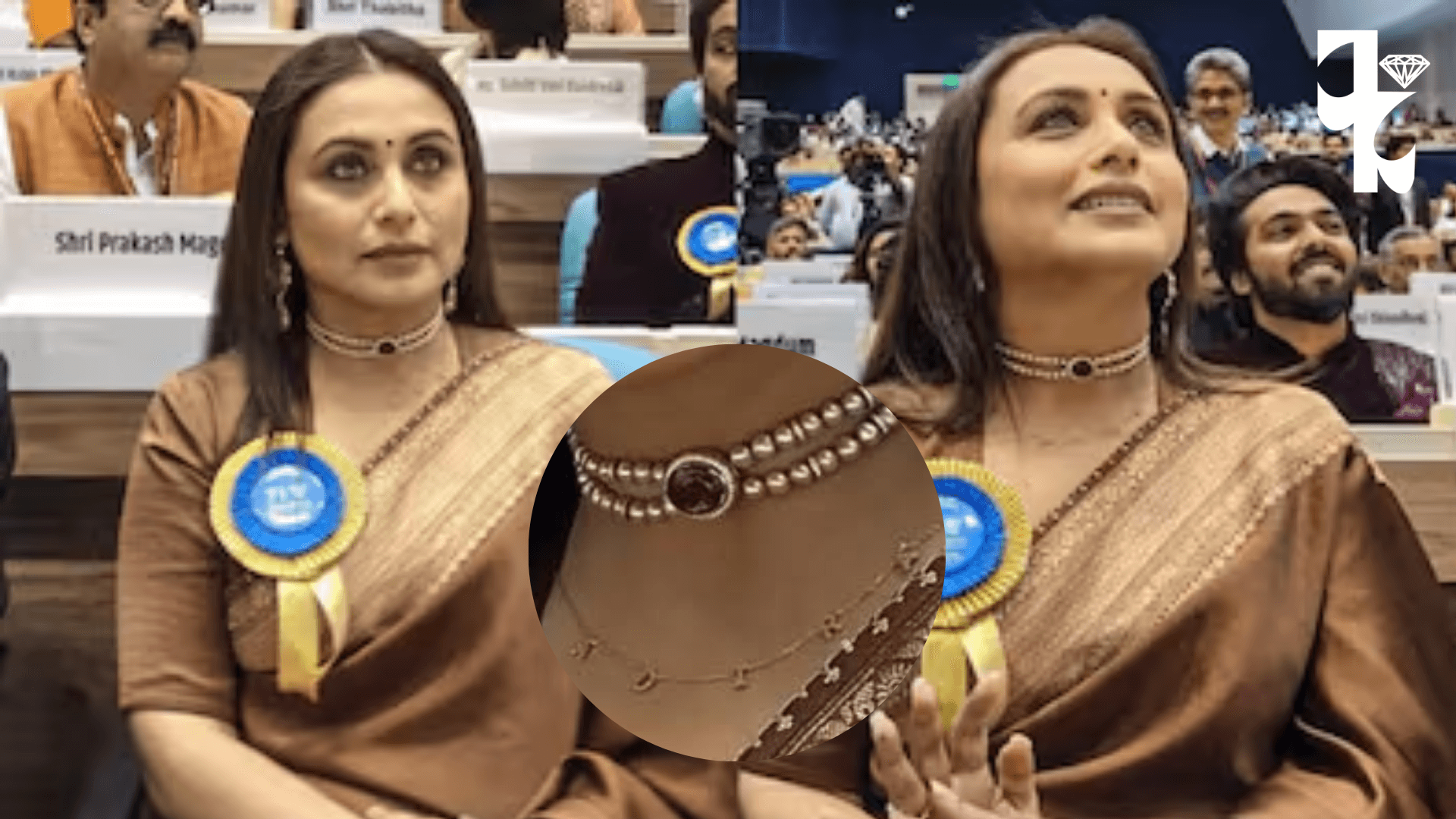
Rani Mukerji received her first National Award, she wore a delicate pendant inscribed with her daughter's name Adira
Choosing Your Jewelry Niche
The first and most crucial decision is selecting your niche. Trying to serve everyone is a recipe for mediocrity and confusion. Instead, focus on one specific jewelry category where you can build expertise and a recognizable brand.
Made-to-order VS Inventory Heavy Models
Made-to-order models allow you to create jewelry only after receiving an order, keeping your investment and risk very low. This model is good at initial level as you still want to validate your business idea before going big. Gradually you can move towards adding more designs based on data of what jewelry you have sold. Inventory-heavy models require you to produce and stock multiple jewelry designs upfront, which ties up significant working capital. While made-to-order offers flexibility and minimal wastage, inventory-heavy models demand higher budgets and carry greater risk if designs don’t sell.
Budget Friendly Niches to Consider:
While fashion jewelry is often seen as the easiest low investment option, it becomes difficult to sustain over time because trends change quickly, margins shrink, and competition is enormous. A more stable and scalable approach is to focus on studded fine jewelry through a made-to-order business model, which requires minimal upfront investment.
Studded Diamond Jewelry
Natural diamond jewelry offers strong trust and high demand. By taking orders first and sourcing diamonds afterward, you avoid maintaining expensive inventory while still offering premium products.
Gemstone Studded Jewelry
Gemstone jewelry provides beautiful, versatile designs at a relatively lower material cost. It allows beginners to create fine jewelry pieces that look premium without heavy financial risk.
Lab Grown Diamond (LGD) Jewelry
LGDs offer the same brilliance as natural diamonds at significantly lower prices, making them ideal for customers seeking luxury on a budget. This category is rapidly growing and provides excellent margins for new entrepreneurs.
Overall, studded fine jewelry natural diamond, LGD, or gemstone offers a more sustainable, profitable, and scalable business model compared to fashion jewelry, especially when operated on a customized, order based system.
How to Research Demand:
Trending Bestsellers:
Personalized jewelry name pendants, birthstones, and initials continues to trend because customers love pieces that feel unique and meaningful.
Online Observations:
Some modern jewelry brands build a community first on Instagram using strong visual storytelling, consistent aesthetics, and social engagement to grow before or instead of traditional retail.

A celebrity jewelry expert and media personality on Instagram, @the_gemtlemen uses influencer-style content, styling reels, expert commentary, and product showcases to build authority and audience online first. This approach turns followers into customers without relying on a physical store. He has simultaneously built his own B2C Jewelry brand called Goel&Co that specialises in Engagement rings.
Example: Aditi Jain Jewelry
Aditi is a Jaipur based jewelry creator and uses Instagram to share design stories, close up shots of gemstones and finished pieces, and customer testimonials, helping them attract a niche audience that values craft and heritage directly through social media.
Millennials & GenZ Buying patterns
Both generations prefer personalized, meaningful jewelry with transparent pricing and modern aesthetics. They trust Instagram first brands, value sustainability (like ethically sourced natural diamonds or lab grown diamonds grown out of factories using renewable energy), and love made-to-order pieces that reflect their individuality. Convenience, authenticity, and strong brand storytelling heavily influence their jewelry purchase decisions.
Analyzing Etsy Bestsellers
Review top selling items on Meesho and Etsy to see which products are performing well. This gives insights into demand, pricing, and design ideas that resonate with customers.
Studying Competitor Pricing & Reviews
Check how competitors price their jewelry and analyze customer reviews to identify weaknesses, complaints, and opportunities to offer something better.
Walking Into Stores as a Prospective Buyer
Visit local jewelry shops posing as a customer to observe what designs they sell, how they price them, and what questions they ask. This provides valuable on ground insights.
Ground Level Research by Area & Location
Study your area’s demographics, customer spending capacity, and jewelry preferences. Local trends often differ from online trends, so this helps you tailor your offerings effectively.

Turn your jewelry passion into a profitable business. Join the DBM course at J K Diamonds Institute of Gems & Jewelry and take the first step toward your entrepreneurial journey.
Sourcing Diamonds, colored stones at Low Cost
Smart sourcing is the difference between profit and loss in a low investment jewelry business. If you're sourcing diamonds, learning how to be a successful diamond trader can help you avoid costly mistakes and improve your margins.
Wholesale Markets:
If you're in Mumbai, Zaveri Bazaar,Bharat Diamond Bourse and Andheri MIDC/SEEPZ are your go to places for sourcing gold, diamonds and colored stones and very competitive prices. Delhi's Chandni Chowk and Kolkata's New Market are also jewelry material havens. Visit these markets for the best selection and be prepared to negotiate. If you are located elsewhere, it would be prudent for you to source from either Mumbai or Surat as these are the hubs for diamond and jewelry sourcing.
Apart from these, every city or region will have its local jewelry marketplace or wholesale area where you can find the best sources.
Cost Saving Tips:
Buy only what you need for your first 10–20 SKUs as overstocking ties up your capital. Do not jump the wagon before you have cracked your first 10 orders. Be focused on implementing these first few orders which can take anything from 1-2 months to up to 6-8 months to accomplish. Until you accomplish this, do no pour more investments or add cost centers related to branding, production for digital marketing etc. Be frugal in these initial phases. First you've got ten orders and made some profits, you can start add more investments and jewelry design SKUs to your stock.
Diamond Knowledge:
Knowledge of diamonds is essential for smart cost savings. When you understand diamonds, gemstones, and their quality factors, you’re able to choose the right products at the right price, avoid overpaying, and ensure better profitability. We have written a detailed guide on how to avoid being fooled by diamond vendors and overpaying for diamonds, which every beginner should understand. We have written a detailed knowledge-oriented blog on how you can buy diamonds without overpaying here.
Setting Up a Simple Home Workspace
You do not need a fancy studio to start. A dedicated corner in your home is sufficient to start with. As earlier mentioned, you can start putting efforts into to creation of a studio and aesthetics around it after you have completed your first ten orders.'
Basic Tools Required:
Designing Jewelry Without Expensive Equipment
Creating beautiful, sell-able designs doesn't require expensive CAD software or high-tech equipment when you're starting out.
Manual Sketching Basics:
Every professional jewelry designer starts with pencil and paper. Invest in a sketchbook and practice drawing jewelry from different angles. Learn to sketch basic shapes circles for rings, ovals for pendants, curves for earrings. Use AI for reference, research on trends using Pinterest. Start taking your initial orders by rendering designs using AI. Once you feel prepared to enter the industry a 100 per cent, you can start training for jewelry designing and production professionally.
Learn to design stunning jewelry by hand. Join the Jewelry Design Graduate – Manual course at J K Diamonds Institute of Gems & Jewelry.
Low-Cost Design and Marketing Tools:
Canva Pro offers jewelry design templates perfect for creating product catalogs and social media marketing. Inkscape is free vector graphics software that can help create clean, professional jewelry sketches. Pinterest is your best friend for inspiration and create mood boards for different collections.
For CAD work, which is 3D modeling of your jewelry designs and preparing them for production, you can use Rhino for precise jewelry modeling and pair it with AI based rendering tools to create high quality, realistic visuals without investing in expensive software.
Learning Professional CAD Design:
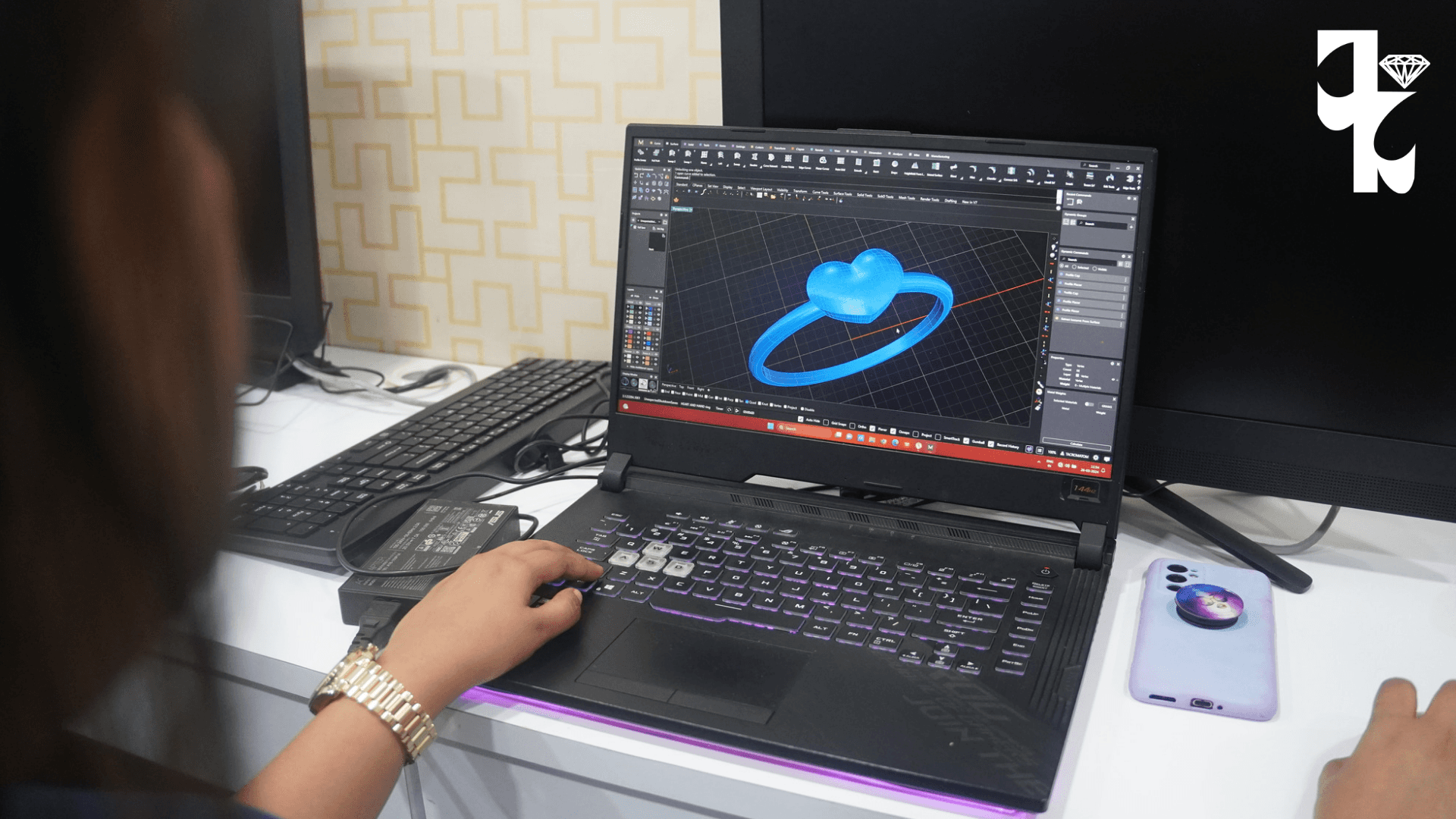
As you grow, Computer Aided Design (CAD) becomes crucial for creating precise, reproducible designs and communicating with manufacturers. Software like Rhino and Matrix are industry standards but come with a learning curve.
Legal Requirements to Start a Jewelry Business in India
• Business Registration:
Start as a Sole Proprietorship; it’s simple, low-compliance, and ideal for beginners. If you have a partner on board, you can even start a simple registered partnership firm. Once your business reaches a certain scale, you can consider converting the entity into an LLP or a company. Get MSME/Udyam registration for free to gain credibility and access to benefits and incentives provided by the government.
• GST Registration:
Mandatory if turnover exceeds ₹20 lakhs (₹10 lakhs in special category states). Voluntary GST helps if selling on marketplaces or claiming input tax credit.
• Record-Keeping:
Use basic tools like Vyapar or Zoho Invoice for billing and maintain all receipts. Keep a separate bank account to avoid mixing personal and business finances.
• Hallmarking:
Gold and diamond jewelry must be hallmarked through BIS-certified centers. Silver hallmarking is optional but boosts trust and allows better pricing. Understanding gold hallmarking rules for jewelry manufacturing is essential to ensure trust, compliance, and long-term business credibility.
How to Sell Your Jewelry with Zero or Low Marketing Budget
Creating beautiful jewelry is only half the battle you need to get it in front of buyers. Fortunately, the digital age offers numerous free or low-cost marketing channels.
Instagram: Your Primary Storefront
Post high quality photos daily with relevant hashtags. Share behind the scenes content since people love seeing how jewelry is made. Use Reels for styling tips and product showcases; they can go viral and bring strong organic reach.
WhatsApp Business
Set up a catalog feature allowing customers to browse directly. Create customer segments and share new designs first with loyal groups. Use status updates for daily specials.
Online Marketplaces
Etsy India suits handmade, premium pieces with a global reach. Amazon has several jewelers setup store on its platform and sell jewelry in India as well as globally through Amazon Global services (AGS).
Content Marketing – Create short videos on styling tips and jewelry care. Partner with micro-influencers (1,000-10,000 followers), offering free jewelry instead of cash a win win collaboration.
Offline Opportunities – Participate in weekend flea markets, craft bazaars, and pop-up exhibitions (₹500-2,000 entry fee to filter premium audiences). College festivals and local markets provide face-to-face customer interaction, invaluable feedback, and immediate sales in case of your jewelry catering to light weight affordable segments.
Skills You Must Learn to Succeed in the Jewelry Business
Understand design fundamentals like balance, proportion, and color theory.
Learn stone setting and finishing techniques to increase product value.
Master smart pricing that covers materials, labor, and profit margins.
Build strong customer-handling skills and deliver a consistent brand experience.
Invest in professional training to accelerate your learning and confidence.
To build a long-term career, it’s important to understand the skills required to work in the diamond industry alongside business knowledge.
Why Professional Training Matters:
While YouTube tutorials are helpful, they are scattered and often skip crucial details. Professional training provides structured learning, hands-on practice under expert guidance, industry insights, and networking opportunities with fellow students and industry professionals.
At J K Diamonds Institute, the Diploma in Business Management (DBM) program focuses exclusively on the business side of the jewelry industry. It equips aspiring jewelry entrepreneurs with essential skills in jewelry business strategy, pricing and costing, branding, sales, marketing, client management, vendor sourcing, and understanding industry operations. Taught by industry experts, the DBM program prepares you to confidently start, structure, and grow your jewelry business.
Many entrepreneurs also choose structured learning programs like l o apply knowledge directly to real operations.
Common Mistakes Beginners Should Avoid
Learning from others' mistakes is cheaper than making them yourself. Here are pitfalls to watch out for:
Over investing at the Start:
Enthusiasm often leads to buying unnecessary tools or materials before validating your designs. Start minimal, test the market, and scale only based on actual demand.
Poor Pricing Strategy:
Under-pricing devalues your work, attracts non loyal price sensitive buyers, and limits future growth. Price confidently based on the value you offer.
Ignoring Quality Control:
One poorly made piece can damage your reputation. Inspect every item carefully check clasps, polishing, stone security, and durability before shipping.
Not Building a Brand Identity:
Don’t be generic. Create a unique aesthetic with consistent packaging, a memorable name and logo, and a brand story customers can emotionally connect with.
Lack of Basic Jewelry Knowledge:
Customers expect answers about metal purity, stone authenticity, care, and sizing. Learn your craft deeply; strong knowledge builds credibility and boosts sales.
Success Story: From Dentist to Jewelry Entrepreneur
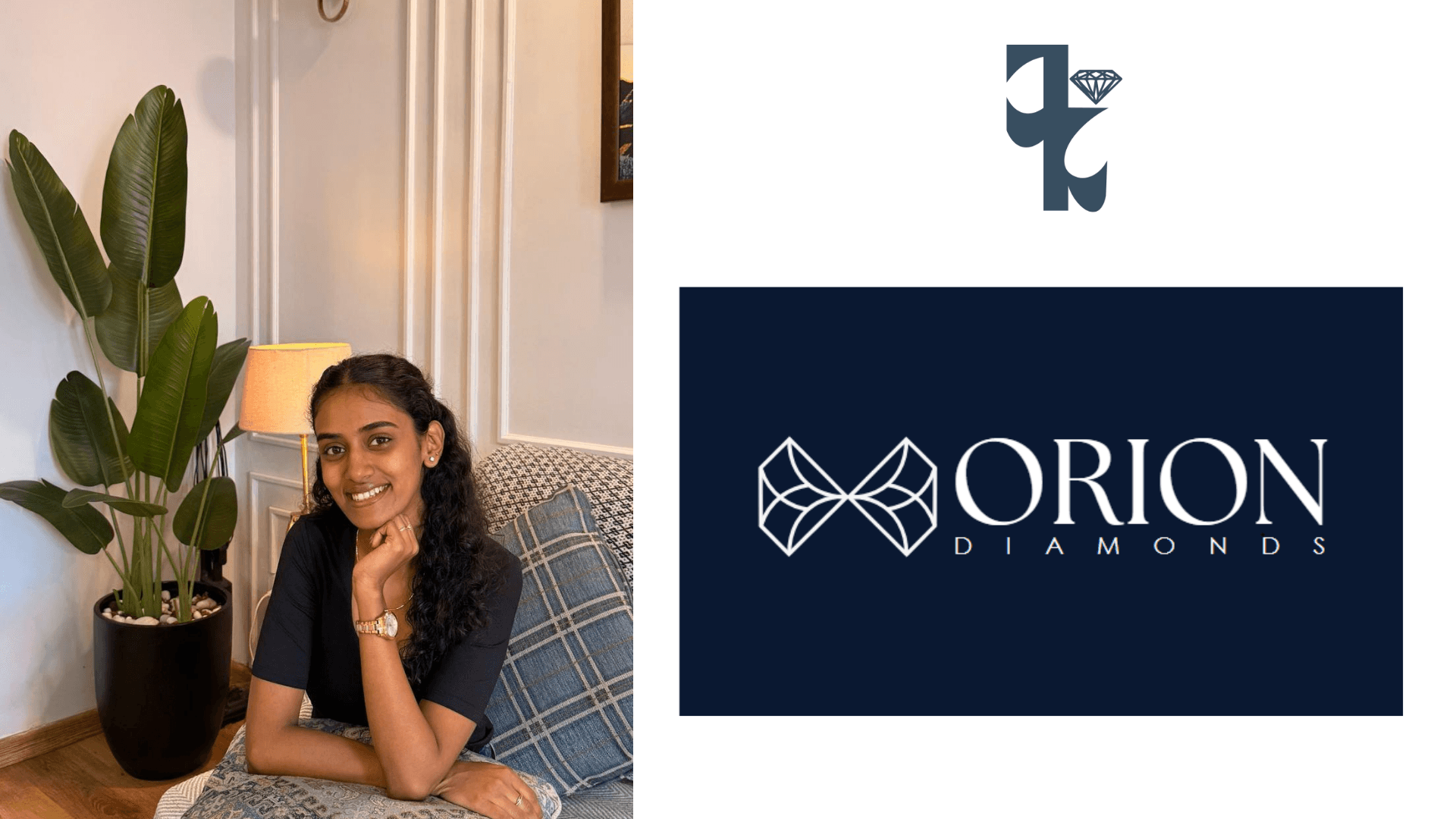
Dr. Vandana Jain, a dentist from Bengaluru who joined J K Diamonds Institute's DBM course in late September with no prior jewelry business experience.
Within just three months, by the end of December, Vandana had successfully completed 11 orders for diamonds and jewelry, with her 12th order already in progress at the time of writing this guide. Her secret? Starting smart by taking orders from friends and relatives first, which helped her build confidence, refine her skills, and gather testimonials without heavy marketing costs.
What makes Vandana's story remarkable is the speed of her success. The comprehensive training at J K Diamonds Institute equipped her with jewelry and diamond knowledge and business management skills that allowed her to price her work confidently and deliver professional-quality pieces. She operates on an order-basis model, eliminating the need for expensive inventory while ensuring each piece meets her exacting standards.
Today, Vandana is fully committed to growing her jewelry business, proving that with the right training and approach, anyone can enter the jewelry industry and see results within months. Her journey from complete beginner to confident jewelry entrepreneur in just 90 days demonstrates the practical, results-oriented education that J K Diamonds Institute provides. She has already launched her ecommerce website as well as initiated content marketing through Instagram.
Vandana's advice to aspiring jewelry entrepreneurs? "Do not wait for the perfect moment. Start with your immediate circle, deliver quality, and let your work speak for itself. The DBM course gave me everything I needed to start confidently."
Conclusion: Your Journey Starts Today
Starting a jewelry business with low investment isn't just possible; it's a proven path to financial independence and creative satisfaction. The jewelry industry welcomes passionate beginners who are willing to learn, experiment, and persist. If you're serious about scaling, understanding how to start and grow a jewelry business step by step will give you a long-term competitive edge.
Remember these key points:
Start small with a focused niche you are genuinely interested in. Invest in learning, not just materials; skills appreciate, materials depreciate. Use digital platforms to reach customers without expensive retail space. Price is based on value and maintains uncompromising quality. Build a brand, not just a product line. Most importantly, invest in professional training that gives you a competitive edge.
The difference between a hobby and a profitable business often comes down to professional knowledge and structured skill development. While passion fuels your creativity, education directs it toward commercial success.
Ready to Turn Your Jewelry Dreams into Reality?
J K Diamonds Institute of Gems and Jewelry, offers a comprehensive Courses
Book a Free Career Counseling Session Today
Your jewelry business journey starts today.

Connect Expert On :

Recent Blog
J K Success Stories